
Investing books worth your time
A great deal of what gets published about investing is written by people who have never compounded capital. The filter that removes most of it is simple: read the ones who have, and read them in an order that builds.

How do you tell a good investing book from a bad one?
Start with the track record of the person writing, not the strength of the argument. A great deal of investing advice is published every year by people who have never compounded capital through a full cycle, and prose quality is no guide at all to whether the method works. The filter is simple. Read the investors who have done it over decades, in public, with numbers anyone can check, and read the people who have studied those investors closely. Almost everything worth knowing sits in a surprisingly small number of books.
This matters more than it sounds. Investing is one of the few fields where a confident, articulate writer can be wrong for twenty years without ever being contradicted by an editor. The market is the only referee, and it reports slowly. So before you take an idea from anyone, ask what they own, for how long, and what happened. Everything below clears that bar, either because the author compounded capital themselves or because they spent years studying people who did. The Berkshire letters, which open the Buffett section, are the one primary source in the list and the only one that costs nothing.
Which investing books should a beginner start with?
Three, in this order. Richer, Wiser, Happier by William Green, because it introduces you to a dozen of the best investors alive and shows how differently they each think. The Most Important Thing by Howard Marks, because it teaches you to think in terms of risk and cycles before you think about individual stocks. One Up on Wall Street by Peter Lynch, because it makes the case that an ordinary person paying attention to what they already understand has a real advantage over the professionals.
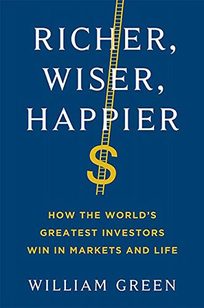 Richer, Wiser, Happier by William Green. Green interviewed most of the great living investors and found what they have in common, which turns out to be temperament far more than technique. The best single starting point.
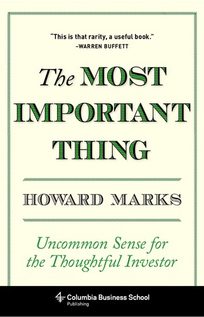 The Most Important Thing by Howard Marks. Marks runs Oaktree and has been writing public memos for thirty years. This is the distillation. Second level thinking, risk, and where you are in the cycle.
- One Up on Wall Street by Peter Lynch. Lynch ran Magellan at 29% a year for thirteen years. His argument is that you notice good businesses in ordinary life long before Wall Street writes them up.
What are the foundational value investing books?
Four books carry most of the theory. The Intelligent Investor by Benjamin Graham gives you margin of safety and Mr. Market, the two ideas the whole discipline rests on. Security Analysis, also by Graham, is the dense original and worth owning even if you read it in pieces. Common Stocks and Uncommon Profits by Philip Fisher supplies the other half of the tradition, the qualitative half about business quality and management. Margin of Safety by Seth Klarman is out of print and expensive, but it is the clearest modern statement of risk first investing.
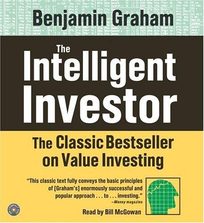 The Intelligent Investor by Benjamin Graham. Chapters 8 and 20, on Mr. Market and margin of safety, are the two most valuable chapters written about investing. Buffett has said so repeatedly.
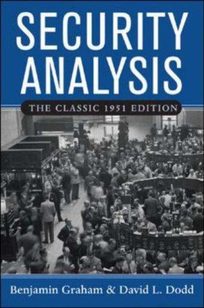 Security Analysis by Benjamin Graham and David Dodd. The original, from 1934. Dense, technical, and still the reference when you want to know how to actually value a security rather than talk about valuing one.
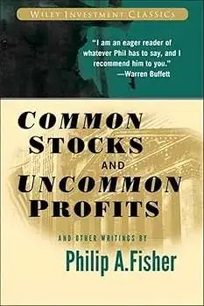 Common Stocks and Uncommon Profits by Philip Fisher. The qualitative tradition. Fisher's scuttlebutt method, which is talking to customers, competitors and former employees, is what most modern research still tries to reproduce.
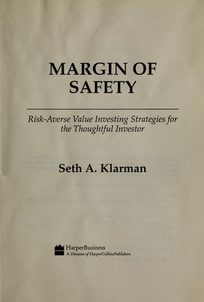 Margin of Safety by Seth Klarman. Hard to find and costly when you do. Worth it for the chapters on why avoiding permanent loss beats chasing return.
What should I read to understand Buffett and Munger?
Buffett has never written a book, so you read him through his letters and through people who studied him carefully. The Warren Buffett Way by Robert Hagstrom is the accessible route into the method. Warren Buffett's Ground Rules by Jeremy C. Miller covers the early partnership years, which is where the process is most visible and least mythologised. Poor Charlie's Almanack is Munger rather than Buffett, and it is really a book about thinking clearly that happens to be written by an investor. The Snowball by Alice Schroeder is the biography.
- The Berkshire Hathaway shareholder letters by Warren Buffett. Free, primary, and running from 1977 to the present. Everything else in this section is someone explaining these. Read the letters first.
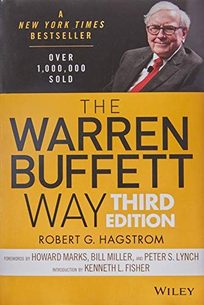 The Warren Buffett Way by Robert Hagstrom. The method laid out as a method, with the case studies worked through.
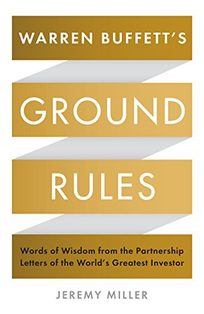 Warren Buffett's Ground Rules by Jeremy C. Miller. Built from the partnership letters of 1956 to 1970. This is Buffett before Berkshire, running a small pool of money, explaining his reasoning as he goes.
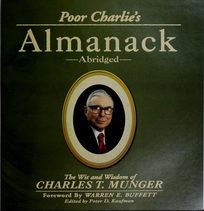 Poor Charlie's Almanack. Munger on mental models, incentives, and the psychology of misjudgement. Read the psychology talk twice.
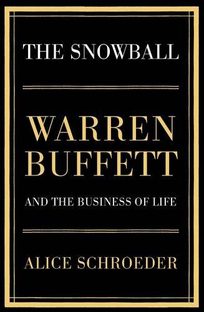 The Snowball by Alice Schroeder. The authorised biography, and the best account of how the temperament was built.
Which books teach process rather than philosophy?
Beating the Street by Peter Lynch walks through actual decisions rather than principles. The Dhandho Investor by Mohnish Pabrai is the clearest short statement of asymmetric bets, heads I win, tails I do not lose much. The Little Book That Still Beats the Market by Joel Greenblatt gives you a mechanical formula and the reasoning behind it. The Motley Fool Million Dollar Portfolio by David and Tom Gardner covers portfolio construction. The Joys of Compounding by Gautam Baid is a reading list disguised as a book. The Innovator's Dilemma by Clayton Christensen is not an investing book at all, which is exactly why it belongs here. Stock Picker by Ian Cassel is the newest entry and the only one about micro caps, where management is most of the moat.
 Beating the Street by Peter Lynch. Lynch walking through twenty one actual picks, including the ones that went wrong.
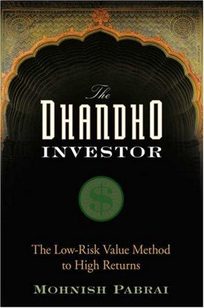 The Dhandho Investor by Mohnish Pabrai. Low risk, high uncertainty. The clearest short book on asymmetry you will find.
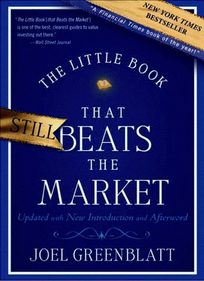 The Little Book That Still Beats the Market by Joel Greenblatt. A formula, its logic, and an honest account of why most people cannot stick to it.
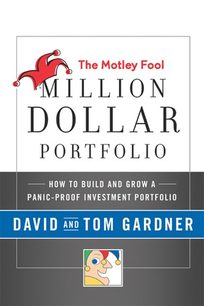 The Motley Fool Million Dollar Portfolio by David and Tom Gardner. Portfolio construction and position sizing, which most investing books skip entirely.
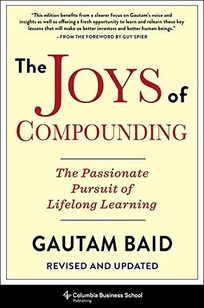 The Joys of Compounding by Gautam Baid. Part synthesis of everything above, part reading list for what to pick up next.
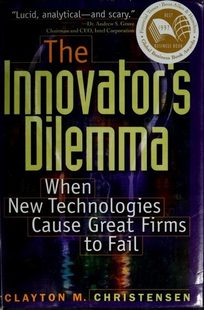 The Innovator's Dilemma by Clayton Christensen. Why good companies with good management lose to worse products. If you hold anything for ten years, this is the book that tells you what might break it.
- Stock Picker by Ian Cassel. Twenty years in micro caps, the part of the market the rest of this list never reaches. Management as the moat, dilution as the risk, and a stock that gets discovered twice. What it changes in our process is in micro-cap investing.
Are any of these worth listening to as audiobooks?
Several are available on Spotify, which is useful for the biographical and essayistic ones where you are absorbing an argument rather than working through numbers. The Snowball, The Joys of Compounding and Vitaliy Katsenelson's Little Book of Sideways Markets all work well in audio. Anything with tables and worked examples, Security Analysis above all, is better read on paper.
- The Snowball by Alice Schroeder. Long, and well suited to audio.
- The Joys of Compounding by Gautam Baid.
- Little Book of Sideways Markets by Vitaliy Katsenelson, on what to do when the index goes nowhere for a decade.
Where to go after the reading
Reading is the cheap part. The expensive part is holding a position through a drawdown because you wrote down why you owned it and the reason still holds. That is what these books are actually training you for, and it is why the ones written by practitioners read so differently from the ones written by commentators.
If you want the listening equivalent of this page, the same filter applied to podcasts is in investing podcasts worth your time. For the method these books share, start with why value investing and margin of safety. For the smallest companies, where the same books apply with different weights, read micro-cap investing.
Cover images come from Open Library and remain the property of their publishers. Audiobook artwork is Spotify's.